
Facelift Cost Turkey 2026: Deep Plane, SMAS and Mini Facelift Prices in Istanbul
A refreshed, natural-looking face begins with understanding what a modern facelift can and cannot do. With time, gravity and the natural loss of facial volume, the jawline softens, jowls form, the cheeks descend and the neck loses its definition. Non-surgical treatments can help in the early stages, but when sagging becomes structural, a facelift is the only treatment that truly repositions the tissues.
I am Op. Dr. Akın Şahin, a European Board certified ENT, head and neck and facial plastic surgeon in Istanbul. The face and neck are the areas I work on every day, and facial nerve anatomy is at the core of my surgical training. In this guide, I explain how facelift surgery works, which technique may suit you, what recovery looks like and, importantly, what the facelift cost in Turkey includes in 2026. My aim is to help you make a well-informed decision, not a rushed one.
What Is Facelift Surgery?
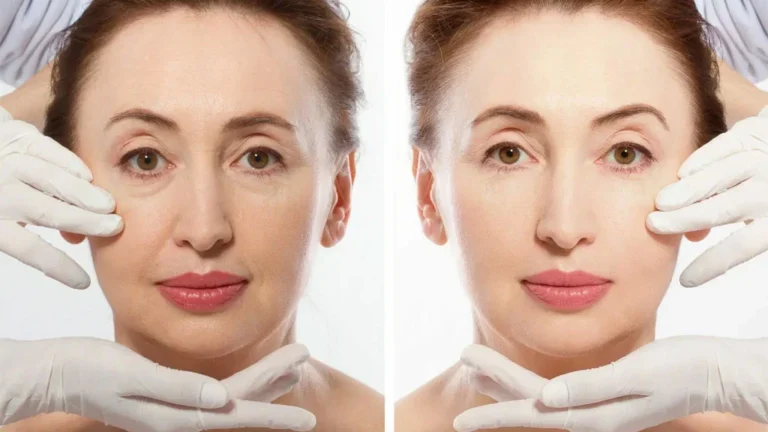
A facelift, medically known as a rhytidectomy, is a surgical procedure that corrects the visible signs of ageing in the lower two-thirds of the face and the neck. Over the years, sun exposure, genetics, weight changes and the natural ageing process cause the skin and deeper tissues to lose elasticity. The result is sagging along the jawline, jowls, deep nasolabial folds, marionette lines and loose skin under the chin.
A modern facelift is not simply “tightening the skin”. Older techniques that pulled only the skin often created a stretched, “wind-blown” look and did not last. Today, the deeper supporting layer of the face, the SMAS (superficial musculoaponeurotic system), is lifted and repositioned, and the skin is redraped over it without tension. This is what makes results look natural and last longer.
Facelift surgery is tailored to each patient. Depending on the degree of ageing, the options range from a mini facelift for early sagging of the lower face, to an SMAS facelift or a deep plane facelift for more comprehensive rejuvenation. A facelift is often combined with a neck lift, eyelid surgery, a brow lift or fat grafting. You can read more about the procedure itself on my face lift and neck lift page.
Why Is Facelift Surgery Performed?
The main goal of a facelift is to correct structural age-related changes that cannot be fixed with creams, injections or devices. As we age, collagen and elastin production decreases, the fat pads of the face shrink and slide downwards, and the muscles and ligaments that hold the face in place weaken. These changes appear as jowls, deep smile lines, marionette lines and loose neck skin. A facelift lifts the tissues back to a more youthful position.
For many patients, the decision is also about how they feel. A common sentence I hear in consultation is: “I feel energetic, but I look tired.” When the face reflects how you feel inside, it often brings a real boost in confidence, in both personal and professional life.
Non-surgical treatments such as fillers, anti-wrinkle injections, threads and Endolift are valuable for early changes. But they cannot reposition descended tissues or remove excess skin. When sagging is significant, a well-performed facelift gives a definitive, long-term correction that lasts for many years.
Who Is a Good Candidate for a Facelift?
Good candidates for facelift surgery are men and women with visible signs of facial ageing, such as jowls, a blurred jawline, deep folds around the mouth and loose neck skin. Most of my facelift patients are between 45 and 70 years old, but suitability depends more on your anatomy and skin than on your age.
You are likely to be a good candidate if you:
- Have moderate to significant sagging of the lower face and neck
- Are in good general health
- Do not smoke, or are willing to stop for several weeks before and after surgery
- Have a stable body weight
- Have realistic expectations: you want to look like a refreshed version of yourself, not a different person
Smoking is especially important. It reduces blood flow to the skin and significantly increases the risk of healing problems. I ask all patients to stop smoking at least four weeks before and after surgery.
If your changes are still mild, a facelift may not yet be necessary. In that case, I may recommend a liquid facelift or Endolift first and explain honestly when surgery would make sense.
How Is Facelift Surgery Performed?
Facelift surgery is performed in a fully equipped private hospital, usually under general anaesthesia. In selected cases, such as a mini facelift, deep sedation with local anaesthesia may be used. The operation takes about 2.5–4 hours for a facelift and 4–5 hours when combined with a neck lift.
The incision begins in the hairline at the temple, follows the natural curve in front of the ear, goes around the earlobe and continues behind the ear into the hairline. These lines are planned to follow natural creases, so the scars are well hidden.
Through this incision, the skin is gently elevated, and the deeper SMAS layer is lifted and secured in a higher, more youthful position. Fat may be sculpted or transferred to restore volume in the cheeks. If the neck also needs correction, a small incision under the chin allows me to tighten the platysma muscle and remove excess fat.
Finally, the skin is redraped smoothly over the new contours without tension, the excess is removed and the incisions are closed with fine sutures. Avoiding tension on the skin is one of the most important details for natural results and fine scars. A soft dressing is applied, and patients usually stay in hospital for one night.
Facelift and Neck Lift: Do You Need Both?
The face and neck age together, and in many patients the neck is the first area that bothers them. A facelift improves the jawline and the upper part of the neck, but it cannot fully correct loose skin, fat or vertical bands lower in the neck. When these are present, a neck lift is combined with the facelift.
A neck lift is performed through a small incision under the chin, hidden in a natural crease. Through this incision, I tighten the platysma muscle, which forms the vertical bands, and remove excess fat. The skin of the neck is then redraped together with the facelift. The result is a clean angle between the jaw and the neck.
If your main concern is fat under the chin with good skin elasticity, surgical double chin removal may be enough on its own. During your consultation, I assess your neck carefully and recommend only what you need.
What Is a Deep Plane Facelift?
The deep plane facelift is one of the most important advances in facial plastic surgery. In a standard SMAS facelift, the skin and the SMAS are lifted as two separate layers. In a deep plane facelift, the dissection is performed beneath the SMAS, and the ligaments that hold the face down are released. The skin, fat and SMAS are then lifted together as one unit.
This technique has several advantages:
- It lifts the cheek fat pad, softening the nasolabial folds and restoring mid-face volume.
- It gives a cleaner, sharper jawline and better correction of jowls.
- Because the tension is carried by the strong deep tissues rather than the skin, results look more natural, and scars heal better.
- The skin keeps its blood supply, which supports healing.
A deep plane facelift requires a detailed understanding of facial nerve anatomy, because the dissection is performed close to the branches that move the face. As a head and neck surgeon, this anatomy is part of my everyday work. I compare the different techniques in detail in my article deep plane vs SMAS vs mini facelift.
Preparing for Your Facelift
Good preparation makes surgery safer and recovery smoother. Before your operation, I review your medical history, medications and any previous facial treatments. Blood tests and an examination are performed before surgery, and if needed, an evaluation by the anaesthesia team.
In the weeks before surgery, I ask patients to:
- Stop smoking and nicotine products at least four weeks before surgery
- Stop aspirin, anti-inflammatory painkillers, fish oil, vitamin E, ginkgo and other supplements that increase bleeding, usually 10–14 days before surgery, unless prescribed by your doctor
- Keep blood pressure well controlled, as high blood pressure increases the risk of bleeding
- Avoid fillers or threads in the treatment area in the months before surgery
- Arrange for a companion for the first days, especially if you are travelling
Preparing your recovery space also helps: extra pillows or a wedge pillow, comfortable clothes that open at the front, soft foods and everything you need within easy reach.
Facelift Recovery Process
Recovery after a facelift is gradual, and patience is part of the process. In the first 48–72 hours, swelling and bruising are at their peak. You should keep your head elevated, including while sleeping, and use cold compresses as instructed.
A typical recovery timeline:
- Days 1–2: One night in hospital. Drains, if used, are removed within 24–48 hours. The dressing is changed.
- Week 1: Rest and gentle walking. Stitches in front of the ear are removed around days 7–10. Bruising starts to change colour.
- Week 2: Swelling decreases noticeably. Most patients feel comfortable with light daily activities and short walks.
- Weeks 3–4: Most patients return to work and social life. Some tightness or numbness around the ears may remain.
- Months 2–6: Residual swelling resolves, scars fade and the final contours become visible.
Strenuous exercise, heavy lifting, saunas and hair dyeing should be avoided for at least 4–6 weeks. If you are travelling from abroad, I explain how long to stay and when you can fly in my article facelift recovery in Istanbul: how long to stay.
Facelift Cost Turkey 2026: Prices and Packages
For international patients, understanding the facelift cost in Turkey is often one of the first steps. In 2026, the total facelift price in Turkey at my practice ranges from $4,500 to $9,500, depending on the technique and whether other procedures are combined.
As a guide:
- Mini facelift: at the lower end of the range, starting from $4,500
- SMAS facelift: in the middle of the range
- Deep plane facelift with neck lift: at the upper end, up to $9,500
- Combined procedures (for example with eyelid surgery or a brow lift) are planned and priced individually.
Your final price is confirmed after I have assessed your face, either in person or from photos and a video consultation. I believe in a clear, written quote with no hidden costs.
What Affects the Facelift Price in Turkey?
Several factors determine the rhytidectomy cost in Turkey:
- The technique: A mini facelift is shorter and simpler than a deep plane facelift with neck lift.
- Combined procedures: Eyelid surgery, brow lift, fat grafting or a Fox Eye procedure can be performed in the same operation.
- Anaesthesia and hospital: Facelift surgery is performed under general anaesthesia in a private hospital with an overnight stay.
- Surgeon’s experience: A facelift is a technically demanding operation. Experience in facial anatomy is the most important factor for both safety and natural results.
I strongly advise patients not to choose a facelift on price alone. An unnatural, pulled result or poorly placed scars are much harder and more expensive to correct than to avoid.
What Is Included in the Facelift Package?
My facelift packages for international patients include:
- Surgery: Surgeon’s fee, anaesthesia, hospital stay, operating room and surgical team
- Medical tests: Pre-operative blood tests and examinations
- Aftercare: Post-operative medication, dressings, compression garment and follow-up visits, including stitch removal
- Accommodation: Hotel stay in Istanbul for your recovery period
- Transfers: Private transfers between the airport, hotel, hospital and clinic
- Support: A patient coordinator and direct contact with me by WhatsApp during and after your stay
Facelift Cost in Turkey Compared With the UK and US
The main reason many patients consider a facelift in Turkey is cost. In the UK, private facelift prices commonly start at around £10,000 and can be considerably higher for advanced techniques. In the US, the American Society of Plastic Surgeons lists average surgeon’s fees alone at $12,000–$19,000, before anaesthesia and hospital costs. A complete package in Istanbul, including hospital, hotel and transfers, is therefore significantly more affordable. I explain this comparison in detail in my article facelift cost UK vs Turkey.
Facelift Before and After
Before and after photos are one of the best ways to assess a surgeon’s aesthetic style. When you review them, look for:
- A clean, defined jawline without jowls
- Smooth cheeks and a softer transition from the lower eyelid to the cheek
- A defined neck without loose skin or bands
- Natural-looking ears, without a pulled earlobe (“pixie ear”)
- No “wind-blown” or overly tight appearance
Good photos are taken with the same lighting, angle and expression before and after. You can see examples of my work in the gallery, and I am happy to show more photos during your consultation.
Scars are another important point. When incisions are well planned and closed without tension, they mature over several months into fine lines hidden in the hairline and the natural folds around the ear.
Facelift Reviews and Patient Experiences
Reading other patients’ experiences helps you understand what the journey really feels like. Most patients describe the first few days as uncomfortable but manageable, and the second week as the point when they start to see their new face emerging under the swelling.
International patients who have their facelift in Istanbul often mention the importance of clear communication, a calm hospital stay and being able to reach their surgeon directly after returning home. When you read reviews, pay attention to how clearly the surgeon explained risks and costs, how aftercare was organised and whether patients were satisfied with their results months later, not just in the first weeks.
Facelift Risks and How They Are Minimised
Like any operation, a facelift carries risks, and it is important to understand them before deciding. The most common early complication is a haematoma, a collection of blood under the skin, which usually appears in the first 24 hours. It is more common in men and in patients with high blood pressure. Careful blood pressure control, meticulous technique and an overnight hospital stay help prevent it and allow quick treatment if it occurs.
Other possible risks include infection, delayed healing of the skin (more common in smokers), temporary numbness, asymmetry, visible scars and changes in the hairline. Weakness of a branch of the facial nerve is rare and, when it occurs, is usually temporary and recovers over weeks to months.
These risks are reduced by careful patient selection, stopping smoking, controlling blood pressure, precise surgical technique and close follow-up. This is why I spend time with every patient before surgery, and why I stay in contact after you return home.
Facelift or Non-Surgical Alternatives?
Many patients ask whether they could achieve the same result without surgery. The honest answer depends on the degree of ageing. In the early stages, when sagging is mild and skin quality is good, non-surgical treatments can give a refreshed look. Endolift tightens the skin and reduces small fat deposits along the jaw; a liquid facelift restores lost volume with fillers; and skin quality treatments improve texture and glow.
However, these treatments cannot reposition descended tissues or remove excess skin. When jowls are established and the neck is loose, non-surgical treatments often give a modest or temporary improvement, and repeated treatments can cost more over time than a facelift.
During your consultation, I will tell you clearly whether surgery is right for you now, or whether a non-surgical approach makes more sense for the next few years.
Are Facelift Results Permanent?
A facelift does not stop time, but the changes made during surgery are long-lasting. The deep tissues are repositioned and the excess skin is removed, so you will always look younger than you would have without surgery. In practical terms, a facelift turns back the clock by roughly 8–15 years, and results commonly last 10–15 years.
Longevity depends on the technique, your genetics, skin quality and lifestyle. Deep plane techniques generally provide longer-lasting results because the deeper structures are secured. To protect your result, use daily sunscreen, avoid smoking, keep a stable weight and consider maintenance treatments such as skin boosters or salmon DNA to keep your skin quality high.
Is Facelift Surgery Painful?
Most patients are surprised by how manageable facelift recovery is. During surgery you feel nothing, because the operation is performed under general anaesthesia. Long-acting local anaesthetic is also used, so you wake up comfortably.
In the first days, patients usually describe a feeling of tightness, fullness and mild soreness rather than sharp pain, especially around the jaw, ears and neck. This is well controlled with prescribed pain medication for the first 3–5 days, after which most patients need only simple painkillers or none at all. Temporary numbness around the cheeks and ears is normal and improves over weeks to months as small skin nerves recover.
Is There an Age Requirement for a Facelift?
There is no strict age limit for a facelift. What matters is the degree of sagging, your skin quality and your general health. Most patients are between 45 and 65, but I also operate on patients in their late thirties with early, genetically driven sagging (often a mini facelift), and on healthy patients in their seventies.
Younger patients with good skin elasticity tend to achieve subtle, very natural results that last well. Older patients can also achieve excellent results, provided their heart, blood pressure and general health are carefully assessed before surgery.
Why Choose an ENT and Facial Surgeon for Your Facelift?
A facelift is performed in an area full of important structures, especially the branches of the facial nerve that control your facial expressions. As an ENT, head and neck surgeon, I operate on the face, neck and salivary glands, where knowledge of the facial nerve is essential. This anatomical training is one of the main reasons facial plastic surgeons trained in head and neck surgery are well suited to facelift surgery.
My approach is simple: natural results, a personalised plan for each face and honest advice, including telling you when you do not yet need surgery. I also perform related procedures such as eyelid surgery, eyebrow lift and double chin removal, so your face can be planned as a whole.
Plan Your Facelift in Istanbul
If you are considering a facelift, the first step is a personal assessment. Send me photos of your face from the front, both sides and at a three-quarter angle, and I will tell you which technique is suitable for you and give you a clear, written quote. You can contact my clinic by WhatsApp or phone.
Frequently Asked Questions
What is the difference between a mini facelift and a full facelift?
A mini facelift treats early sagging of the lower face and jawline through shorter incisions, with a shorter recovery. A full facelift, usually combined with a neck lift, treats the mid-face, lower face and neck, and is suitable for more advanced sagging.
How much does a facelift cost in Turkey?
At my practice, the total facelift cost in Turkey in 2026 ranges from $4,500 to $9,500, depending on the technique and any combined procedures. Packages include hospital, hotel and transfers.
How long do I need to stay in Turkey for a facelift?
Most international patients stay 7–10 days. This covers consultation, surgery, the first recovery days and stitch removal.
How long after a facelift can I return to work?
Most patients return to desk work within 10–14 days. Residual bruising can usually be covered with light make-up by then.
Will I have visible scars?
The incisions are placed in the hairline and the natural folds around the ear. When closed without tension, they heal into fine lines that are very difficult to see.
Can a facelift be combined with other procedures?
Yes. Common combinations include a neck lift, eyelid surgery, brow lift, fat grafting and lip lift.
What type of anaesthesia is used?
A facelift is usually performed under general anaesthesia. Some mini facelifts can be performed under sedation with local anaesthesia.
When can I exercise again?
Light walking is encouraged from the first day. Strenuous exercise, heavy lifting and swimming should be avoided for 4–6 weeks.
Does a facelift remove fine wrinkles?
A facelift treats sagging, not fine surface wrinkles. Fine lines around the mouth and eyes are best treated with anti-wrinkle injections, fillers, peels or laser.
What are the risks of facelift surgery?
Possible risks include haematoma, infection, delayed healing, temporary numbness, asymmetry and, rarely, facial nerve weakness, which is usually temporary. Careful patient selection and an experienced surgeon significantly reduce these risks.