
Chin Implant Cost Turkey 2026, Chin Augmentation, Chin Aesthetics
A well-defined jawline and balanced facial profile are fundamental elements of overall aesthetic harmony. When the lower jaw or chin lacks projection, it can make the nose appear larger, obscure the neck contour, and soften the entire lower third of the face. Chin implant surgery, medically known as mentoplasty, offers a permanent, highly effective surgical solution to enhance facial symmetry, define the jawline, and restore proportion to your features.
Whether you are seeking facial plastic surgery in Turkey, exploring chin augmentation cost, or evaluating the recovery process for chin implants, this comprehensive guide covers everything you need to know about transforming your facial structure with chin implant surgery.
What is Chin Implant Surgery?
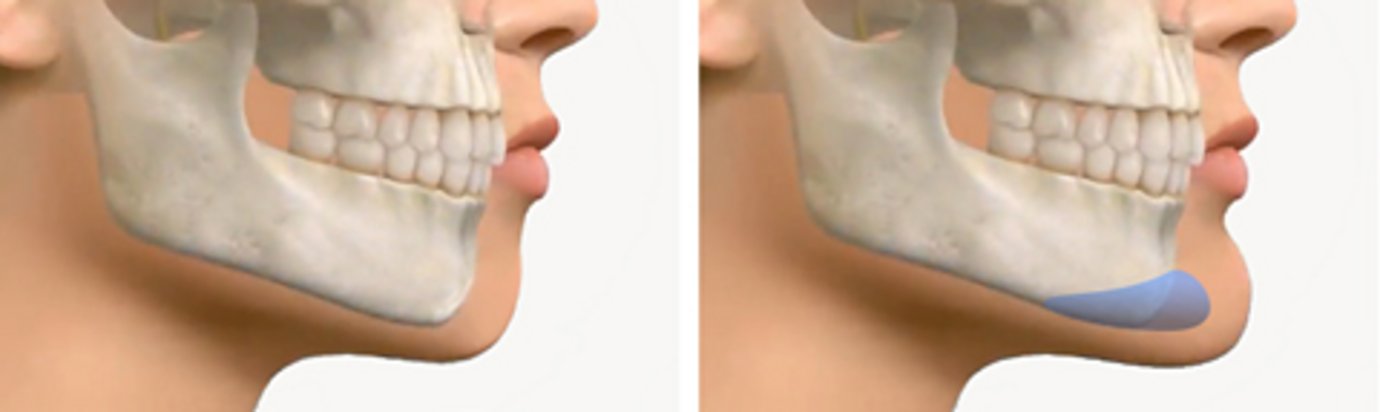
Chin implant surgery, or mentoplasty, is a specialized cosmetic procedure designed to enhance the size, projection, and shape of an underdeveloped or recessed chin. During this procedure, a board-certified facial plastic surgeon carefully places a medical-grade chin prosthesis directly over the natural chin bone (mandible). This customized implant subtly extends the jawline forward and outward, creating a sharper, more structured lower face that complements the rest of your facial features.
The implants used in modern chin augmentation procedures are made from biocompatible, solid materials such as silicone implants, porous polyethylene (Medpor), or PTFE (Gore-Tex). These medical-grade materials are engineered to feel like natural bone tissue once healed, allowing them to integrate seamlessly with your lower jaw without shifting or breaking down over time. Surgeons select the shape and thickness of the implant based on a personalized facial aesthetic analysis to ensure natural-looking results tailored to your unique bone structure.
Beyond simple projection, mentoplasty surgery addresses structural imbalance that temporary treatments cannot fix. While dermal fillers offer short-term volume, a permanent chin implant creates a foundational alteration to your facial architecture. By repositioning the soft tissue and extending the mandibular profile, chin reshaping surgery helps establish ideal facial proportions, balancing the relationship between your forehead, nose, and lower jawline.
Why is Chin Implant Surgery Performed?
The primary goal of chin implant surgery is to achieve facial symmetry and ideal profile proportions. In aesthetic plastic surgery, the face is visually divided into equal vertical thirds: the upper third (forehead to eyebrows), middle third (eyebrows to base of nose), and lower third (base of nose to tip of chin). When the chin is weak or recessed—a condition known as microgenia—it disrupts this natural balance, making the midface and nose appear disproportionately large or prominent.
Another major reason patients seek chin surgery is to improve the contour of the neck and jawline. A recessed chin often lacks the projection needed to pull the submental skin and muscles taut, resulting in a premature “double chin” effect, a weak neck definition, or a sagging jawline even in young, healthy individuals. Placing a facial implant creates a structural anchor that stretches the surrounding soft tissues, refining the neck-jaw angle (cervicomental angle) and creating a crisp, youthful jaw definition.
Additionally, chin augmentation is frequently combined with other procedures, most notably rhinoplasty (nose job)—a dual combination known as profileplasty. By pairing a nose job with chin implant surgery, surgeons can achieve dramatic yet naturally balanced profile enhancements that neither procedure could accomplish alone. Patients also turn to mentoplasty to restore age-related loss of bone density in the lower jaw, revitalizing their facial contour and boosting long-term confidence.
Who Is a Good Candidate for Chin Implant Surgery?
An ideal candidate for chin implant surgery is an adult with good overall health who desires better facial balance, jawline definition, or chin projection. Candidates typically present with a recessed chin, a weak jawline, or a profile where the chin sits significantly behind the vertical plane of the lips. Because the procedure modifies facial framework, candidates must have fully developed facial bones, which usually occurs by late adolescence (ages 18 and older).
Medical suitability is equally crucial for a successful mentoplasty outcome. Candidates should be non-smokers or willing to stop smoking several weeks before and after surgery, as nicotine impairs tissue healing and increases infection risk. Good candidates possess realistic expectations about what a silicone chin implant can accomplish, understanding that while it dramatically enhances the lower profile, it does not alter dental alignment or correct major bite malocclusions like severe overbites or underbites (which require orthognathic surgery).
Finally, candidates must have healthy dental structures and no active oral infections, particularly if the surgeon chooses an intraoral incision route. Patients undergoing facial contouring surgery should be in stable physical condition without uncontrolled chronic illnesses such as severe diabetes or autoimmune diseases that hinder wound healing. A comprehensive plastic surgery consultation with a qualified facial surgeon determines whether an implant or alternative bone-shifting procedure (sliding genioplasty) is best suited for your specific anatomical goals.
How Is the Chin Implant Surgery Performed?
The chin implant surgical process is a meticulous, highly tailored procedure that typically takes between 45 minutes to 1.5 hours to complete. Before entering the operating room, the surgeon marks precise anatomical reference points on the patient’s chin and jawline while they are sitting upright. The procedure is performed under either local anesthesia with IV sedation or general anesthesia, ensuring total comfort throughout the surgical experience.
Once anesthesia is administered, the surgeon makes a small, discreet incision through one of two primary approaches: intraoral incision (inside the mouth along the lower lip groove) or submental incision (underneath the curve of the chin). The intraoral route leaves no visible external scar, while the submental route places a tiny incision in a natural crease under the chin, rendering the scar virtually unnoticeable once fully healed. Through this incision, the surgeon creates a precise, custom pocket directly over the periosteum (the tissue covering the lower jawbone).
After creating the anatomical pocket, the surgeon gently inserts the pre-selected custom chin implant, positioning it firmly over the mandibular bone. The placement is inspected carefully to guarantee central alignment, symmetry, and smooth transitions along the jawline edges. In many cases, small titanium micro-screws or durable sutures are used to anchor the implant to the bone, preventing post-operative shifting. Finally, the incision is closed with multi-layer dissolvable sutures, and a protective compression bandage or surgical tape is applied to minimize swelling and keep the implant stabilized.
Chin Implant Under Local Anesthesia
One of the greatest advantages of chin implant surgery is that it can frequently be performed safely and comfortably under local anesthesia with twilight sedation, avoiding the need for deep general anesthesia. In this setting, the surgeon injects a long-acting local anesthetic—such as lidocaine with epinephrine—directly into the lower facial nerves and chin tissues. This completely numbs the surgical site while keeping bleeding to an absolute minimum.
Choosing chin augmentation under local anesthesia offers several compelling benefits for patients. Because general anesthesia agents are omitted, patients experience a faster immediate recovery, significantly reduced post-operative nausea, and a lower overall anesthetic risk profile. Outpatient procedures performed with local numbing for mentoplasty allow patients to return to their home or hotel within a few hours following the operation.
During local anesthesia chin surgery, patients remain completely relaxed and pain-free, often feeling only light pressure while the implant pocket is prepared. However, for patients who feel anxious about being awake during surgery, or for those combining chin augmentation with rhinoplasty or neck liposuction, surgeons may recommend intravenous conscious sedation or general anesthesia for optimal comfort and surgical efficiency.
Chin Augmentation Recovery Process
Understanding the chin implant recovery timeline helps ensure a smooth, comfortable healing journey and optimal aesthetic outcomes. Immediately after surgery, you will experience mild to moderate tightness, swelling, and localized bruising around the lower lip and jawline. A supportive compression strap is usually worn for the first 3 to 7 days to support tissue adaptation, reduce edema, and protect the newly placed implant from shifting.
During the first 3 to 5 days of mentoplasty recovery, manage your diet by sticking to soft, non-chewy foods—especially if your incision was made inside the mouth—and practice gentle oral hygiene with alcohol-free antiseptic mouthwashes. Sleep with your head elevated on two or three pillows to accelerate swelling reduction and avoid sleeping on your stomach or side. Pain is typically mild and easily controlled with prescribed pain medication or over-the-counter analgesics.
Most patients can return to desk jobs and light daily activities within 7 to 10 days post-surgery, at which point the majority of visible bruising has subsided. Submental skin sutures, if non-dissolvable, are usually removed around day 7. While you can resume light walking almost immediately, avoid strenuous exercise, heavy lifting, contact sports, or any activity that risks impact to the lower face for 4 to 6 weeks. The majority of facial swelling resolves within 3 to 4 weeks, though subtle internal tissue maturation continues for up to 3 to 6 months before revealing your final, crisp jawline definition.
Chin Implant Cost Turkey 2026, Chin Aesthetic Cost Turkey
For international patients searching for world-class cosmetic procedures, chin implant cost in Turkey 2026 presents an exceptional blend of medical excellence and affordability. The average chin implant cost Turkey 2026 ranges between $2,800 and $4,500 USD.
Prices may vary depending on many factors, such as the quality of the health center where the operation will be performed (private hospital or clinic), the surgeon’s experience in this field, the surgical technique to be used, and the type of anesthesia to be applied to the patient. When doing price research, instead of focusing only on the lowest cost, considering the surgeon’s references, the hygiene and service quality of the clinic is of vital importance for the success of the operation and patient satisfaction. A successful prominent ear surgery experience is generally directly proportional to comprehensive service and an experienced team.
Current economic conditions and innovations in the surgical field play a decisive role in chin implant cost Turkey 2026. The healthiest way to access precise and personalized price information is to have a preliminary consultation with a surgeon who is an expert in their field. During this consultation, the doctor evaluates the degree of the patient’s chin deformity, determines the most suitable technique for the surgery, and clarifies expectations. Then, a transparent price offer is presented, which includes all components such as hospital or clinic expenses, the anesthesiologist’s fee, the surgical team, and the medical supplies used. It should not be forgotten that compromising on quality in aesthetic operations may bring along the need for possible revisions. Therefore, the most logical approach is to choose centers that offer reasonable chin implant cost Turkey 2026 options supported by experience, which will not risk your health and aesthetic expectations.
Most clinics offer comprehensive all-inclusive cosmetic surgery packages. These packages typically cover the surgeon’s fee, hospital facility fees, anesthesiologist costs, premium medical-grade implant materials, pre-operative blood work, post-operative medications, high-end hotel accommodations (usually 4 or 5 stars), and VIP airport-hotel-clinic transfers. This transparent, hassle-free structure makes Turkey the top global destination for facial harmonization procedures.
Chin Implant Surgery Before and After
Examining chin implant surgery before and after photos provides valuable visual insight into how a subtle structural change dramatically improves overall facial harmony. In “before” profiles, patients frequently demonstrate a sloping chin profile, an undefined jaw-to-neck transition, or a nasal structure that appears disproportionately large due to a recessed mandible. These visual cues illustrate how a weak foundation destabilizes lower facial balance.
In “after” results, the transformation is immediately apparent yet remarkably natural. The added projection of the chin prosthesis restores proper profile alignment, making the mouth, lips, and nose look harmoniously balanced. Patients notice a crisper, more chiseled jawline, reduced appearance of a submental double chin, and a tighter, more youthful neck contour from both front-facing and profile viewpoints.
To get the most accurate expectation from chin augmentation before and after results, ask your plastic surgeon to showcase gallery cases featuring patients with facial anatomy, skin thickness, and gender-specific goals similar to yours. Modern clinics also utilize 3D simulation technology (such as Vectra 3D) during consultations, enabling you to preview potential surgical outcomes and collaboratively select the ideal implant size and shape before stepping into the operating room.
Chin Implant Surgery Reviews and Patient Experiences
Reading verified chin implant reviews and real patient testimonials highlights the life-changing psychological and aesthetic benefits of this procedure. Patients frequently express high levels of overall satisfaction, pointing out that chin augmentation delivered one of the highest confidence boosts among cosmetic procedures because it refined their fundamental facial profile without looking “operated on” or artificial.
In patient forums and review platforms like RealSelf and Trustpilot, individuals often emphasize how surprisingly straightforward the mentoplasty recovery experience was compared to their expectations. Many highlight that post-operative discomfort was much lower than anticipated, often described as a feeling of muscle tightness rather than sharp pain, and that returning to social activities occurred within a single week.
Patients who traveled to Turkey for chin aesthetic surgery consistently praise the high standard of personalized care, the English-speaking medical staff, and the luxury medical tourism services provided. Common advice in patient reviews includes carefully adhering to post-op diet guidelines, using cold compresses diligently during the first 48 hours, and selecting a surgeon who specializes specifically in facial plastic surgery to ensure proper implant sizing and seamless contour blending.
Are Chin Implant Surgery Results Permanent?
One of the most appealing features of chin implant surgery is that the results are completely permanent. Unlike temporary hyaluronic acid dermal fillers that break down within 6 to 18 months requiring continuous re-injections, a solid biocompatible chin implant does not degrade, dissolve, or absorb into the body over time. Once placed and healed, your upgraded jawline profile is designed to last a lifetime.
After the procedure, your body forms a thin, natural tissue envelope—known as a fibrous capsule—around the solid implant. This capsule holds the implant securely in place directly against the mandibular bone, preventing shifting, migration, or erosion under normal daily conditions. As a result, you enjoy a permanently defined jawline and balanced facial architecture without ongoing maintenance costs or repeat treatments.
While the chin implant results are permanent, it is important to remember that the overlaying soft tissues, skin, and facial fat will still undergo natural aging over the decades. However, because the structural framework provided by the mentoplasty implant remains unchanged, your facial foundation will continue to support lower facial tissues better than it would have without the implant, helping you maintain a more defined jawline even as you age gracefully.
Is Chin Implant Surgery Painful?
A major concern for prospective patients is whether chin implant surgery is painful. Fortunately, mentoplasty is widely regarded by plastic surgeons and patients alike as one of the least painful facial plastic surgery procedures available. During the actual operation, you will feel zero pain due to the administration of effective local anesthesia, intravenous sedation, or general anesthesia.
During the initial post-operative window (the first 24 to 72 hours), patients generally experience a feeling of pressure, tightness, or mild aching around the lower jaw and lip rather than severe pain. This discomfort stems primarily from localized swelling and stretching of the soft tissue to accommodate the new implant. Surgeons routinely prescribe mild oral pain medication and anti-inflammatory drugs, which easily manage these early sensations.
By day 4 or 5, any lingering soreness drops significantly, allowing most patients to transition to over-the-counter pain relievers like acetaminophen. If an intraoral approach was used, you may feel temporary tightness when smiling or talking, but this subsides as tissues stretch and adapt. Following your surgeon’s aftercare instructions—such as applying ice packs and eating a soft food diet—further ensures a comfortable, stress-free recovery.
Is There an Age Requirement for Chin Implant Surgery?
There is an important structural age requirement for chin implant surgery: patients must have reached full bone maturity before undergoing mentoplasty. The lower jaw bone (mandible) continues growing throughout adolescence, typically completing its development around age 16 to 18 in females and age 17 to 19 in males. Operating on a growing jawbone can interfere with facial growth centers, which is why board-certified surgeons delay surgery until bone growth is complete.
For younger patients considering chin augmentation, a pre-operative evaluation often includes assessing whether dental bite development and skeletal growth have stabilized. Beyond physical maturity, younger candidates must possess the emotional maturity required to undergo cosmetic surgery and hold realistic expectations about their post-operative appearance.
On the upper end of the spectrum, there is no maximum age limit for chin implant surgery. Healthy older adults in their 50s, 60s, or 70s routinely undergo mentoplasty—frequently combined with a facelift or neck lift—to restore lost lower facial volume, tighten jawline laxity, and revitalize their overall aesthetic profile. As long as a patient is in good systemic health, age alone is not a bar to achieving a refined jawline.
Frequently Asked Questions (FAQ)
What is the difference between a chin implant and a sliding genioplasty?
A chin implant involves placing a biocompatible synthetic implant over the existing bone to add projection and width. A sliding genioplasty, by contrast, is a surgical procedure where the surgeon cuts the actual chin bone (mandible) and moves it forward or reposition it using metal plates and screws. Implants are ideal for horizontal volume enhancement, while genioplasty is preferred for complex vertical or asymmetrical bone corrections.
Will my chin implant feel natural to the touch?
Yes. Modern silicone and Medpor chin implants are designed to mimic natural bone density. Once the implant integrates with surrounding tissue and swelling subsides (usually within 1 to 3 months), it feels just like your natural jawbone to both you and anyone touching your face.
Can a chin implant be removed or replaced if I change my mind?
Yes. Although chin implants provide permanent results, they can be safely removed or replaced with a different size or shape if your aesthetic preferences change or if complications arise. The removal procedure is straightforward and typically performed under local anesthesia.
Will there be visible scarring after chin implant surgery?
If your surgeon uses an intraoral approach (inside the lower lip), there are zero visible external scars. If a submental approach is used, a tiny 1.5 to 2 cm scar is placed in the natural shadow crease beneath your chin, making it virtually unnoticeable once fully matured.
Can I combine chin implant surgery with rhinoplasty?
Absoltely. Combining chin augmentation with rhinoplasty (known as profileplasty) is extremely common. Adjusting both the nose and chin in a single operation creates dramatic facial harmony and profile balance while allowing you to go through a single combined recovery period.
How soon can I return to work after chin implant surgery?
Most patients return to desk jobs, computer work, and light public activities within 7 to 10 days post-surgery. By this time, visible bruising is easily concealed with light makeup, and major swelling has decreased significantly.
Does a chin implant affect my speech or smiling?
Temporarily, you may experience mild lower lip stiffness or tightness when smiling, laughing, or pronouncing certain words during the first 1 to 2 weeks due to localized swelling around the mental nerve branches. As swelling resolves, normal lip movement and speech return completely.
What happens if a chin implant shifts out of place?
Implant displacement is rare when performed by an experienced facial plastic surgeon, as implants are placed tightly beneath the periosteum layer or secured with titanium micro-screws. In the unlikely event that an implant shifts during early healing, your surgeon can gently re-position or anchor it.
How do I maintain oral hygiene if I have an intraoral incision?
If your incision is inside the mouth, you will be instructed to rinse gently with a prescribed antibacterial mouthwash after every meal for the first 7 to 10 days. Avoid aggressive toothbrushing near the lower front gumline until your surgeon gives clearance.
Why is Turkey a leading destination for chin implant surgery?
Turkey offers a world-renowned combination of highly experienced, board-certified plastic surgeons, state-of-the-art JCI-accredited medical facilities, comprehensive VIP care packages, and affordable pricing that is 60% to 70% lower than in North America or Western Europe.